Coaching Skills & Social Work Skills
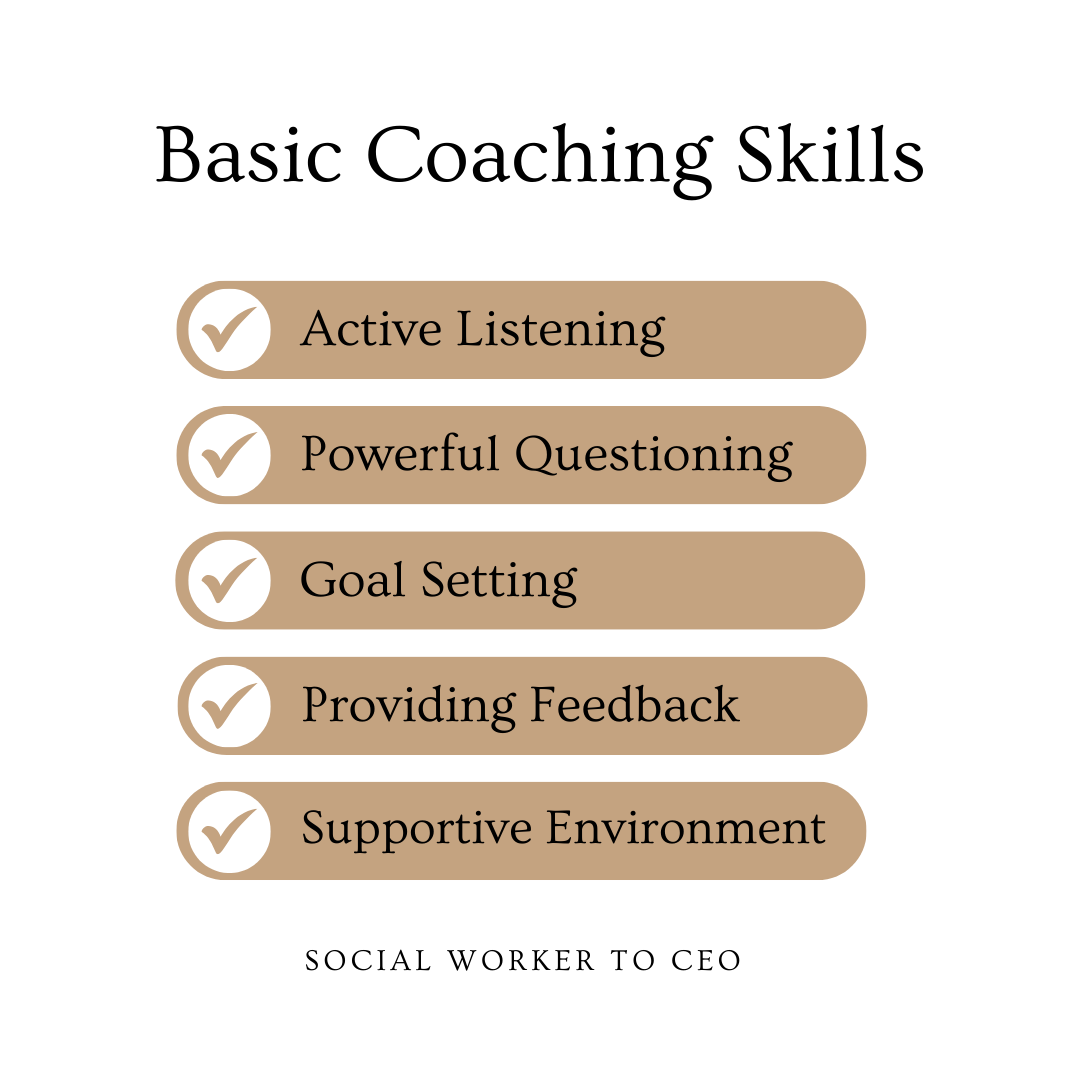
The basic coaching skills involve a set of techniques and abilities that coaches use to support individuals in achieving their goals and maximizing their potential. These skills include active listening, powerful questioning, goal setting, providing feedback, and creating a supportive environment.
When it comes to social work skills, there are several areas of overlap with coaching skills. Both coaching and social work aim to empower individuals and promote positive change in their lives. Here's how these skills are related:
1. Active Listening: Both coaching and social work emphasize the importance of active listening. Coaches and social workers need to attentively listen to their clients to understand their needs, concerns, and aspirations. Active listening helps build trust, empathy, and rapport, which are essential in both coaching and social work relationships.
2. Powerful Questioning: Coaches and social workers use powerful questioning techniques to facilitate self-reflection and exploration. By asking open-ended and thought-provoking questions, coaches and social workers can help clients gain clarity, identify solutions, and develop a deeper understanding of their situation.
3. Goal Setting: Setting goals is a fundamental aspect of coaching and social work. Both coaches and social workers assist individuals in setting realistic and achievable goals that align with their values and aspirations. By collaboratively establishing goals, coaches and social workers can provide guidance and support throughout the process of goal attainment.
4. Providing Feedback: Coaches and social workers provide feedback to their clients to facilitate growth and development. Constructive feedback helps individuals identify strengths, areas for improvement, and progress toward their goals. Feedback in coaching and social work should be delivered in a supportive and non-judgmental manner to encourage self-reflection and learning.
5. Creating a Supportive Environment: Coaches and social workers create a safe and supportive environment for their clients. Both roles require creating a space where individuals feel comfortable, valued, and respected. This environment allows clients to freely express themselves, explore their thoughts and emotions, and work towards positive change.